

 EN
EN
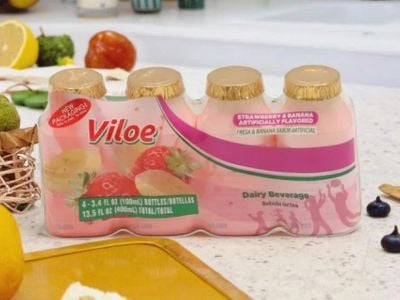
Lactobacillus drinks are gaining popularity as health-oriented products, attracting interest from importers and distributors worldwide. Understanding the quality standards for these beverages is crucial for B2B buyers who prioritize safety, efficacy, and consumer satisfaction. This article outlines essential quality standards every importer should know when sourcing Lactobacillus drinks, focusing on evaluation methods, supplier reliability, specifications, common quality issues, and their applications in health and wellness
How to Evaluate the Quality of Lactobacillus Drinks for Wholesale Orders
When evaluating the quality of Lactobacillus drinks for wholesale orders, B2B buyers should focus on several key factors. First, consider the source of the Lactobacillus strain. The strain’s origin affects its efficacy and health benefits; therefore, it’s advisable to request documentation proving its quality and efficacy, such as clinical studies or certifications
Next, assess the manufacturing process. It should adhere to Good Manufacturing Practices (GMP) and be free of preservatives. Buyers should inquire about the fermentation process, as improper fermentation can impact the drink's flavor and probiotic effectiveness. Additionally, confirm that the supplier conducts regular quality control tests, including pH levels, microbial counts, and shelf-life assessments, to ensure product consistency
Buyers should also look for transparency in sourcing and production. A reliable supplier will provide traceability from ingredient sourcing to final product. Requesting samples before placing a large order is essential for verifying that the products meet the desired quality standards and specifications
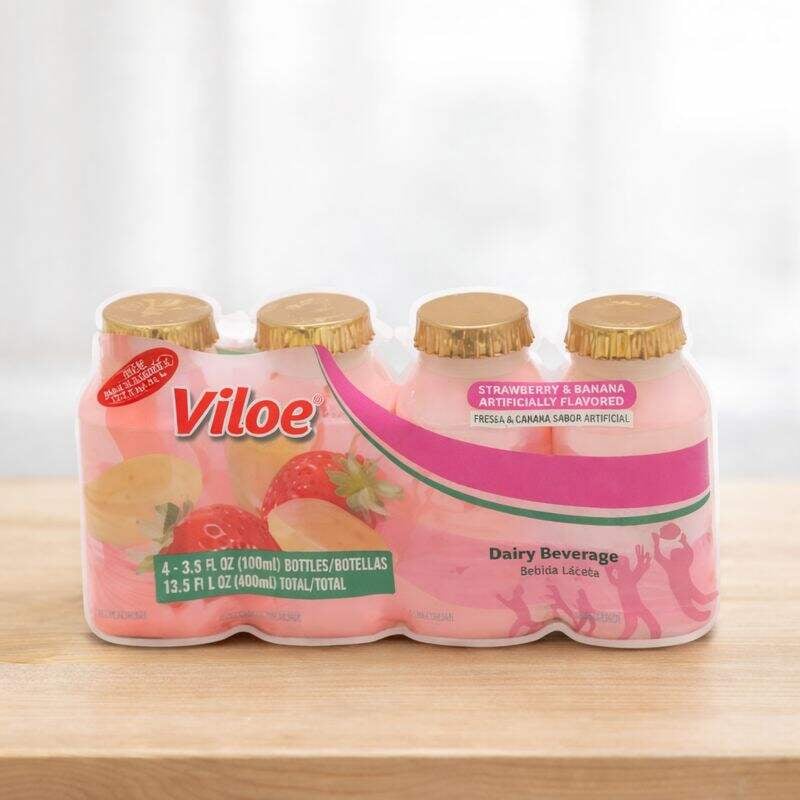
Choosing Reliable Suppliers for High-Quality Lactobacillus Drinks
Selecting a trustworthy supplier requires thorough research and evaluation. Start by looking for suppliers with a solid reputation in the industry. Check for certifications such as ISO, HACCP, or other relevant quality standards that demonstrate compliance with international safety regulations
Assess the supplier's experience in the Lactobacillus drinks market. A supplier with extensive experience is more likely to understand the nuances of manufacturing quality products and can provide valuable insights into market trends and consumer preferences. Additionally, consider the supplier's production capacity and ability to meet your order volume while maintaining quality
Engaging in direct communication with potential suppliers is crucial. Ask about their quality control processes, sourcing practices, and response times. A responsive supplier who is willing to share information and answer questions demonstrates a customer-centric approach that is vital for a successful long-term partnership
Specifications to Consider When Sourcing Lactobacillus Drinks Wholesale
When sourcing Lactobacillus drinks, several specifications should be considered to ensure product quality and suitability for your market. Key specifications include
Microbial Content: This should detail the specific strains of Lactobacillus present, their concentration (measured in CFU/ml), and the viability of these organisms throughout the product's shelf life
pH Level: The pH level is critical for both taste and stability. Most Lactobacillus drinks should have a pH between 3.5 and 4.5 to ensure optimal flavor and microbial activity
Nutritional Content: Buyers should review the nutritional profile, including sugar content, calorie count, and any added vitamins or minerals. This information is essential for positioning the product in the health and wellness market
Packaging: The choice of packaging affects product stability and shelf life. Consider whether the supplier uses UV-resistant or airtight containers that can protect the drink from light, oxygen, and other environmental factors
Shelf Life and Storage Conditions: Confirm the expected shelf life and recommended storage conditions. Proper storage is essential for maintaining the product's probiotic benefits and flavor
By verifying these specifications, buyers can ensure they receive high-quality Lactobacillus drinks that align with their brand's standards and meet consumer expectations
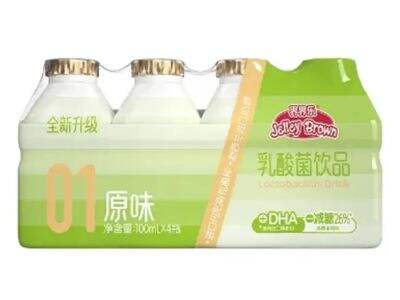
Common Quality Issues with Lactobacillus Drinks and Their Solutions
Despite rigorous quality control processes, various issues can arise with Lactobacillus drinks. Common problems include microbial contamination, flavor inconsistencies, and packaging failures
Microbial Contamination: This can occur if the manufacturing process is not adequately controlled. Regular microbiological testing should be implemented to detect contaminants early. Buyers should ask suppliers about their testing protocols and frequency
Flavor Inconsistencies: Variations in taste can stem from changes in raw materials or fermentation conditions. To mitigate this, suppliers should maintain strict control over ingredient sourcing and fermentation processes. Buyers should request detailed fermentation profiles and batch records to understand how flavors are developed
Packaging Failures: Inadequate packaging can lead to spoilage or loss of probiotic fermented milk drink viability. Ensure that the supplier uses high-quality, tested packaging materials and that they adhere to proper sealing techniques. Buyers should examine the packaging integrity upon receipt and report any issues immediately
By being aware of these common quality issues and their solutions, buyers can take proactive steps to ensure they receive consistent, high-quality Lactobacillus drinks
Applications of Lactobacillus Drinks in Health and Wellness Products
Lactobacillus probiotic milk drinks serve various applications within the health and wellness sector, appealing to consumers seeking functional beverages that promote gut health and overall well-being. These drinks are often marketed as probiotics, which support digestive health, enhance immune function, and may contribute to mental health improvements
In the functional beverage market, Lactobacillus drinks can be formulated to cater to specific health needs, such as weight management, enhanced energy, or improved skin health. This versatility allows brands to target niche markets and appeal to health-conscious consumers
Additionally, Lactobacillus drinks can be blended with other health-oriented ingredients, such as vitamins, minerals, or herbal extracts, to create unique selling propositions. Buyers should consider how these formulations can complement their existing product lines or meet emerging consumer trends
In summary, understanding the quality standards for Lactobacillus drinks is essential for importers seeking to deliver safe and effective products. By carefully evaluating suppliers, confirming specifications, and addressing potential quality issues, buyers can make informed decisions that lead to successful partnerships in the health and wellness space
Table of Contents
- How to Evaluate the Quality of Lactobacillus Drinks for Wholesale Orders
- Choosing Reliable Suppliers for High-Quality Lactobacillus Drinks
- Specifications to Consider When Sourcing Lactobacillus Drinks Wholesale
- Common Quality Issues with Lactobacillus Drinks and Their Solutions
- Applications of Lactobacillus Drinks in Health and Wellness Products