

 EN
EN
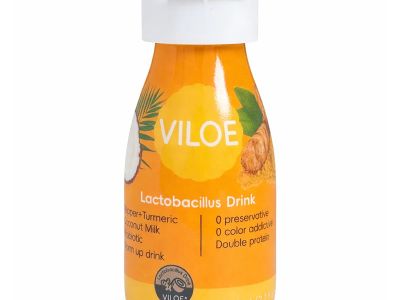
Functional beverages, particularly those infused with Lactobacillus, are gaining traction among brands looking to enhance their product offerings. These fermented drinks, known for their probiotic benefits, are not just a health trend; they represent a strategic investment for beverage brands aiming to cater to health-conscious consumers. This article explores why functional beverage brands invest in Lactobacillus drinks, addressing key specifications, quality evaluation, cost factors, supplier options, and applications within the industry, helping you make informed purchasing decisions.
Key Specifications for High-Quality Lactobacillus Beverage Products
When evaluating Lactobacillus drinks, several specifications are crucial for ensuring product quality and consumer satisfaction. Key specifications include:
Strain Variety: Different Lactobacillus strains offer varied health benefits. For instance, Lactobacillus acidophilus is known for gut health, while Lactobacillus ram noses supports immune function. Brands must choose strains that align with their health claims.
CFU Count: The colony-forming units (CFUs) indicate the potency of probiotics in the drink. A higher CFU count typically correlates with greater health benefits. Brands should aim for a minimum of 1 billion CFUs per serving for effective probiotic delivery.
pH Level: The pH level influences the beverage's taste and shelf stability. fruit milk drink should typically maintain a pH of around 4.0 to ensure safety and flavor while preventing spoilage.
Preservative-Free Formulation: Consumers favor clean labels. Thus, using preservative-free formulations is vital. Brands should ensure that their products are stable without artificial additives, maintaining consumer trust.
Packaging: The choice of packaging impacts product shelf life. UV-protective and airtight containers can extend the drink's freshness and preserve probiotic viability.
These specifications not only dictate product performance but also influence consumer perception and brand reputation.
How to Evaluate the Quality of Lactobacillus Drinks for Your Brand?
Evaluating the quality of Lactobacillus drinks requires a comprehensive approach. Potential buyers should consider the following aspects:
Supplier Certifications: Look for suppliers certified under recognized quality standards (e. g., ISO 22000, HACCP). Such certifications indicate adherence to rigorous safety and quality protocols, ensuring that the product meets industry standards.
Sample Testing: Before committing to bulk orders, request samples to assess taste, texture, and overall quality. Conduct microbiological testing to confirm CFU counts and check for contaminants.
Ingredient Sourcing: Investigate the sourcing of raw materials. High-quality ingredients, sourced sustainably, contribute significantly to the final product's efficacy and appeal.
Quality Control Processes: Understand the supplier's quality control processes. Regular testing and batch tracking are crucial in maintaining product consistency and quality.
Customer Feedback: Seek testimonials or case studies from other brands that have used the supplier’s milk cold drink. Positive feedback and documented results can validate the supplier’s claims.
By thoroughly evaluating these factors, brands can mitigate risks associated with poor-quality products and ensure they deliver value to their consumers.
Cost Factors in Bulk Ordering Lactobacillus Functional Beverages
Cost considerations play a significant role in bulk purchasing decisions. Key factors include:
Raw Material Costs: The price of raw ingredients, including the specific strains of Lactobacillus, can fluctuate based on availability and sourcing quality. Brands should factor in these variations when budgeting.
Production Scale: Larger orders generally reduce the per-unit cost, but this requires careful forecasting to avoid overproduction and waste. Brands should analyze market demand to optimize order sizes.
Custom Formulation Fees: If a brand requires customization (e. g., specific flavors or formulations), additional costs may arise. Brands should discuss these needs upfront to ensure accurate pricing.
Logistics and Shipping: Transporting bulk beverages can incur significant costs, particularly for temperature-sensitive products. Brands should explore shipping options that balance cost with product integrity.
Quality Assurance Costs: Investing in quality assurance processes can incur additional costs but is essential for maintaining product integrity. Brands need to consider these expenses as part of their overall budget.
Understanding these cost factors allows brands to plan their budgets effectively and negotiate better terms with suppliers.
Where to Find Reliable Suppliers for Lactobacillus Beverages?
Finding trustworthy suppliers is critical for securing high-quality Lactobacillus drinks. Consider the following strategies:
Industry Trade Shows: Attend industry-specific trade shows and expos where suppliers showcase their products. This provides opportunities for direct interaction and evaluation of potential partners.
Online B2B Marketplaces: Platforms like Alibaba or ThomasNet can connect you with numerous suppliers. Look for those with verified ratings and customer reviews to gauge reliability.
Industry Associations: Joining industry associations related to functional beverages can provide access to a network of reputable suppliers. Associations often have resources to help brands connect with manufacturers.
Referrals and Networking: Leverage industry contacts for referrals. Networking with other brands can lead to recommendations for suppliers who have a proven track record.
Supplier Audits: Once potential suppliers are identified, conduct audits to evaluate their manufacturing processes, quality control systems, and overall operational capabilities.
By undertaking thorough research and leveraging industry connections, brands can identify reliable suppliers that align with their quality and business goals.
Applications of Lactobacillus Drinks in the Functional Beverage Market
Lactobacillus drinks have diverse applications in the functional beverage market, catering to various consumer needs:
Digestive Health: These beverages are primarily marketed for their probiotic benefits, promoting gut health and aiding digestion. Brands can capitalize on this trend by highlighting specific strains known for digestive support.
Immune Support: With growing consumer awareness around immunity, Lactobacillus drinks can be positioned as immune-boosting products. Formulating drinks with complementary vitamins and minerals can enhance their appeal.
Weight Management: Some Lactobacillus strains are linked to weight management benefits. Brands can target health-conscious consumers by promoting these attributes in their marketing.
Functional Ingredients: Combining Lactobacillus with other functional ingredients (e. g., gens, vitamins, minerals) can create unique product offerings that stand out in the market.
On-the-Go Consumption: The rise of convenience-oriented products has led to the demand for ready-to-drink Lactobacillus beverages. Packaging options that cater to on-the-go lifestyles can attract busy consumers.
By effectively targeting these applications, brands can better position their lactobacillus drink within the functional beverage landscape, appealing to a broader range of consumers. In summary, understanding the specifications, quality evaluation, cost factors, supplier options, and applications of Lactobacillus drinks is essential for brands looking to invest in functional beverages. By leveraging this knowledge, purchasing managers and product developers can make informed decisions that align with market trends and consumer demands.
Table of Contents
- Key Specifications for High-Quality Lactobacillus Beverage Products
- How to Evaluate the Quality of Lactobacillus Drinks for Your Brand?
- Cost Factors in Bulk Ordering Lactobacillus Functional Beverages
- Where to Find Reliable Suppliers for Lactobacillus Beverages?
- Applications of Lactobacillus Drinks in the Functional Beverage Market