

 EN
EN
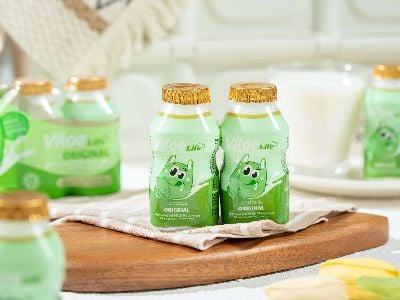
Lactobacillus drinks have emerged as a pivotal component in enhancing functional beverage product lines, offering a range of health benefits that resonate with today's health-conscious consumers. These drinks, which harness the power of beneficial bacteria, can help improve gut health, boost immunity, and enhance overall well-being. For purchasing managers and distributors, understanding how lactobacillus drink can be integrated into product offerings is essential. This article will explore the benefits, quality considerations, cost factors, manufacturing insights, and applications of Lactobacillus drinks in the functional beverage sector.
How Lactobacillus Drinks Enhance Functional Beverage Offerings?
Lactobacillus drinks are known for their probiotic properties, which can significantly enhance the value of functional beverages. By incorporating these drinks into product lines, companies can meet the growing consumer demand for health-oriented options. Probiotics, like those found in Lactobacillus, support digestive health and can improve nutrient absorption, leading to better overall health outcomes.
The versatility of Lactobacillus drinks also allows manufacturers to experiment with various flavors and formulations, catering to diverse consumer tastes. For example, these drinks can be combined with fruit juices, herbal extracts, or even carbonated beverages to create unique offerings that stand out in a competitive market. Moreover, the clean label trend aligns perfectly with Lactobacillus drinks, as consumers increasingly prefer products that are free from preservatives and artificial ingredients.
Furthermore, these drinks can serve specific dietary needs, such as lactose intolerance or gluten sensitivity, making them attractive to a broader audience. By leveraging Lactobacillus probiotic drink, companies can not only enhance their product offerings but also position themselves as leaders in health-focused beverage innovation.
Evaluating the Quality of Lactobacillus Drinks for Distributors
When evaluating Lactobacillus drinks, quality is paramount. Distributors should focus on several key factors, including the strain of Lactobacillus used, fermentation processes, and overall product stability. Different strains of Lactobacillus can offer varying health benefits, so understanding the specific strain's characteristics and efficacy is critical.
Quality assurance should include a thorough review of the manufacturing processes. Reputable manufacturers, such as Ningbo Enrich Life Biotech Co., Ltd., prioritize safe, high-quality food products produced under strict quality systems. Certifications and compliance with food safety standards are essential indicators of product quality. Distributors should request documentation that verifies the quality control measures employed during production, such as testing for microbial counts and shelf-life studies.
Additionally, the packaging of Lactobacillus drinks plays a crucial role in maintaining their quality. Packaging must protect the product from moisture, light, and oxygen, which can adversely affect the viability of probiotics. Evaluating packaging methods and ensuring they align with product requirements is essential for preserving the integrity of Lactobacillus prebiotic drink during transport and storage.
Cost Considerations for Bulk Orders of Lactobacillus Beverages
Cost is a significant factor for purchasing managers when considering bulk orders of Lactobacillus drinks. Several elements influence pricing, including raw material costs, production scale, and customization requirements. For instance, incorporating high-quality ingredients or unique formulations may increase the base cost per unit.
Buyers should also factor in minimum order quantities (MOQs) when negotiating prices. Larger orders typically lead to lower per-unit costs, but it's essential to balance inventory levels against demand to avoid overstocking. Additionally, shipping costs can vary based on the destination, so understanding logistics and potential tariffs is crucial for accurate budgeting.
When assessing the total cost of ownership, consider potential cost savings associated with health claims. Products that feature Lactobacillus drinks may command a premium price due to their health benefits, allowing for better profit margins. Therefore, presenting a compelling value proposition that highlights the benefits of these drinks can justify the costs involved.
Installation Guidance for Lactobacillus Drinks in Manufacturing
Integrating Lactobacillus drinks into existing beverage production lines requires careful planning and execution. Manufacturers must ensure that their equipment is compatible with the specific requirements of probiotic beverages. This may involve modifications to prevent contamination and ensure optimal fermentation conditions.
Equipment should be designed to maintain a controlled environment, as temperature and pH levels are critical for the growth and viability of Lactobacillus cultures. Additionally, sanitation protocols must be established to prevent cross-contamination with non-probiotic products. Regular maintenance and cleaning schedules are essential to uphold quality standards.
Before mass production begins, manufacturers should conduct trial runs to assess any potential issues in the production process. This can help identify challenges such as fermentation inconsistencies or bottling problems, allowing for adjustments to be made before full-scale production. Engaging with experts in probiotic beverage production can also provide valuable insights into best practices.
Applications of Lactobacillus Drinks in the Functional Beverage Sector
Lactobacillus drinks have diverse applications within the functional beverage sector. They can be formulated as standalone products or integrated into smoothies, energy drinks, or even alcoholic beverages. Their adaptability allows manufacturers to cater to various market segments, including sports nutrition, wellness, and convenience.
In addition to their health benefits, Lactobacillus drinks can enhance the sensory experience of beverages through improved taste and texture. For instance, the creamy mouthfeel of yogurt-based drinks can be appealing to consumers, while flavored probiotic sodas can attract those looking for healthier alternatives to sugary drinks.
Furthermore, as consumers become more health-conscious, the demand for functional beverages is expected to grow. Companies that embrace Lactobacillus drinks can position themselves to capitalize on this trend, differentiating their products in the marketplace. By fostering partnerships with distributors and retailers, manufacturers can establish a robust presence in the functional beverage market, driving sales and brand loyalty.
Understanding the various aspects of Lactobacillus drinks from enhancing product lines to evaluating quality and managing costs can empower purchasing managers and distributors to make informed decisions. By leveraging these insights, companies can effectively integrate Lactobacillus drinks into their offerings and meet the evolving demands of health-focused consumers.
Table of Contents
- How Lactobacillus Drinks Enhance Functional Beverage Offerings?
- Evaluating the Quality of Lactobacillus Drinks for Distributors
- Cost Considerations for Bulk Orders of Lactobacillus Beverages
- Installation Guidance for Lactobacillus Drinks in Manufacturing
- Applications of Lactobacillus Drinks in the Functional Beverage Sector