

 EN
EN
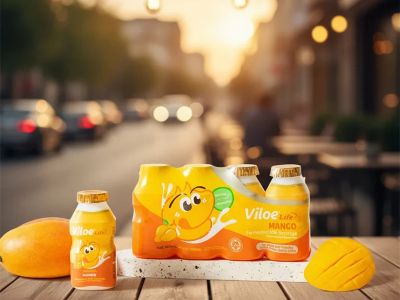
Lactobacillus drinks are fermented beverages that contain live probiotic bacteria, offering various health benefits, including improved digestion and immune support. For manufacturers and distributors in the beverage supply chain, understanding how Lactobacillus drinks manufacturers support global beverage supply chains is crucial. This article addresses the main concerns B2B buyers have, such as product specifications, supplier reliability, and pricing factors, providing valuable insights that can aid in making informed purchasing decisions.
How Lactobacillus Drinks Enhance Global Beverage Supply Chains?
Lactobacillus drinks play a pivotal role in enhancing global beverage supply chains by contributing to product diversity and meeting rising consumer demands for health-oriented beverages. These products not only cater to the growing market for functional foods but also ensure that manufacturers can provide stable, preservative-free options that appeal to health-conscious consumers.
Incorporating Lactobacillus drinks into a beverage portfolio allows companies to differentiate their offerings and capture new market segments. The fermentation process, which involves specific strains of Lactobacillus bacteria, produces unique flavors and textures, making these drinks attractive to a broad audience. Additionally, the probiotic properties of lactobacillus drink can enhance the health profile of beverages, thus appealing to consumers seeking functional benefits, such as improved gut health.
Moreover, manufacturers like Ningbo Enrich Life Biotech Co., Ltd. ensure that their products meet stringent quality standards and are produced under traceable quality systems. This commitment to quality supports the integrity of the global supply chain, helping partners maintain consumer trust and regulatory compliance.
Choosing Reliable Suppliers for Lactobacillus Drinks in Bulk Orders
When sourcing Lactobacillus drinks in bulk, the reliability of suppliers is paramount. Buyers should evaluate potential suppliers based on several key criteria, including manufacturing capabilities, quality control processes, and past performance. A supplier's ability to produce consistent quality at scale can significantly impact a buyer's operational efficiency.
It is advisable to conduct thorough due diligence by reviewing supplier certifications, inspection processes, and customer testimonials. Buyers should also assess the supplier's capacity to meet order volumes without compromising product quality. For example, understanding the manufacturer's production equipment and processes can provide insights into their ability to handle large orders and ensure timely delivery.
Furthermore, establishing clear communication with suppliers about specific requirements, such as packaging, shelf life, and customization options, can help prevent issues during the procurement process. A supplier's willingness to collaborate on product development and provide samples for approval can also enhance buyer confidence.
Key Specifications for High-Quality Lactobacillus Beverage Products
When evaluating Lactobacillus drinks, several key specifications should be carefully considered to ensure product suitability. These include:
Microbial Strain: Different strains of Lactobacillus offer varied health benefits. Buyers should understand which strains are best suited for their target market and desired health claims.
Fermentation Process: The method of fermentation impacts the flavor, texture, and probiotic potency of the beverage. Buyers should inquire about the fermentation duration and conditions to assess product consistency.
pH Levels: Maintaining appropriate pH levels is crucial for product stability and taste. Buyers should verify the pH specifications to ensure they align with product requirements.
Packaging: The choice of packaging affects product shelf life and safety. Consideration should be given to materials that provide adequate barrier protection against moisture and light.
Preservative Use: Buyers should confirm whether the product is truly preservative-free, as this can impact both health claims and consumer perception.
Understanding these specifications will help buyers make informed decisions and select probiotic drink that align with their brand values and market demands.
Evaluating the Cost Factors of Wholesale Lactobacillus Drinks
Cost is a critical factor when purchasing wholesale Lactobacillus drinks. Buyers should consider several elements that can influence pricing:
Raw Material Costs: The quality and source of raw materials, such as the sugars used for fermentation, can significantly affect production costs. Buyers should seek transparency regarding ingredient sourcing.
Production Scale: Larger orders typically benefit from economies of scale. Buyers should assess minimum order quantities (MOQs) and negotiate pricing based on anticipated volumes.
Customization Requirements: Custom formulations or packaging can lead to additional costs. Buyers should clearly communicate their needs to suppliers to receive accurate quotations.
Logistics and Shipping: Transportation costs can vary based on distance and delivery timelines. Buyers should consider these factors when evaluating total costs, including potential duties and tariffs for international shipments.
By analyzing these cost factors, buyers can navigate negotiations more effectively and identify the best value suppliers for their needs.
Applications of Lactobacillus Drinks in the Global Market
Lactobacillus drinks find applications across various sectors in the global market, each with unique consumer demands and regulatory considerations. Some key applications include:
Health and Wellness Beverages: The rise in health-conscious consumers has led to increased demand for probiotic-rich drinks. Manufacturers can leverage the health benefits of Lactobacillus to create beverages that promote gut health and overall well-being.
Functional Foods: drinkable probiotics can be integrated into functional food products, which are designed to provide health benefits beyond basic nutrition. This application opens up opportunities for innovation in product development.
Catering and Food Services: Restaurants and cafes are increasingly offering fermented beverages as part of their menu. Suppliers should consider the specific needs of these businesses, including serving sizes and flavor profiles.
Export Markets: Understanding international regulations regarding probiotic beverages is essential for companies looking to enter new markets. Compliance with food safety standards can facilitate smoother entry into global supply chains.
By recognizing these applications, buyers can align their product offerings with market trends and consumer preferences, ultimately enhancing their competitive positioning in the beverage industry.
Table of Contents
- How Lactobacillus Drinks Enhance Global Beverage Supply Chains?
- Choosing Reliable Suppliers for Lactobacillus Drinks in Bulk Orders
- Key Specifications for High-Quality Lactobacillus Beverage Products
- Evaluating the Cost Factors of Wholesale Lactobacillus Drinks
- Applications of Lactobacillus Drinks in the Global Market