
efficacy varieties and safe usage-0

Knowledge Center

Home >  Newsroom >  Knowledge Center

Efficacy, Varieties and Safe Usage

Feb-04-2026

Aloe vera, a versatile succulent native to Africa, has long been hailed as a "natural treasure" for its strong adaptability to diverse climates and rich reserve of over 160 active ingredients—including aloe polysaccharides, aloin, amino acids and anthraquinones—in its fleshy leaves. These active components endow aloe vera with remarkable skincare, medicinal and ecological benefits. Among numerous aloe varieties, Aloe barbadensis Miller stands out as a globally recognized high-quality type, widely applied in skincare and medical fields. In Weihai, Shandong Province, the unique maritime climate (humid air, sufficient light and alkaline soil) has fostered local aloe varieties that complement Aloe barbadensis Miller perfectly. This article briefly introduces aloe’s core efficacies, representative varieties and key safe usage tips.

Diverse Efficacies: A Natural Helper

Aloe vera’s multifaceted efficacies, which have been fully verified by traditional practical experience and modern scientific research, play an irreplaceable role in daily skin care, mild physical discomfort relief and living environment improvement.

Skincare: Gentle Care for Various Skin Types

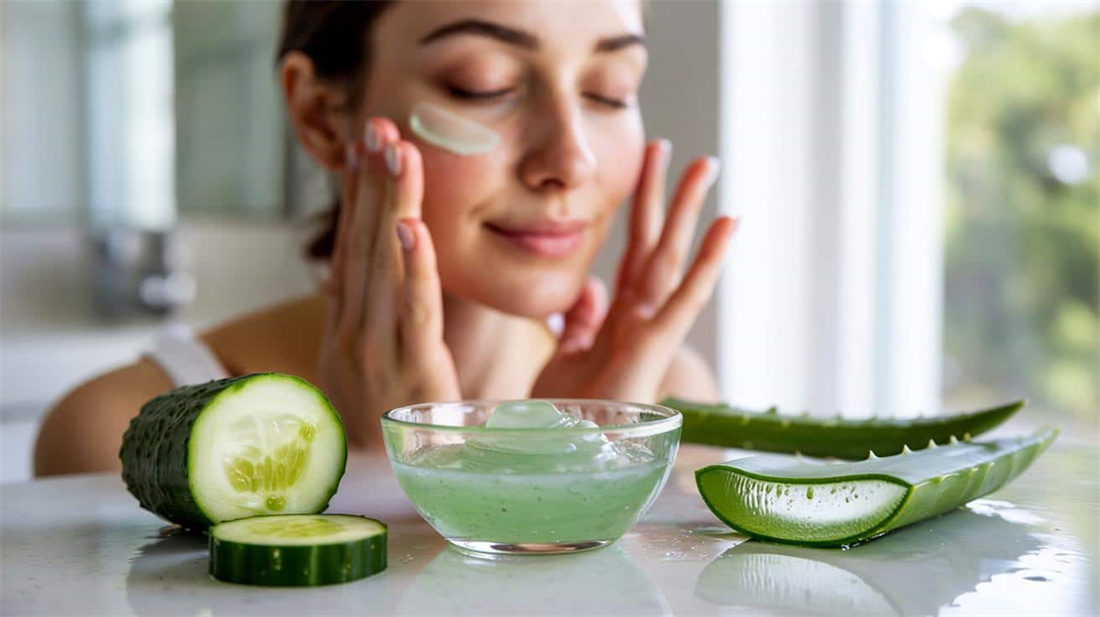
Aloe vera’s greatest advantage lies in its mildness, making it suitable for sensitive, dry and other common skin types. Its core skincare functions focus on moisturizing, soothing and repairing. The polysaccharide components in aloe can form a breathable water-locking film on the skin surface, which not only relieves dryness and peeling but also repairs the damaged skin barrier caused by over-cleaning or harsh environments. Aloe barbadensis Miller excels in moisturizing due to its high gel content (accounting for over 90% of leaf weight). In addition, aloin and flavonoids in aloe have obvious anti-inflammatory effects, which can effectively relieve discomfort such as sunburn redness, mosquito bite itching and mild eczema. Weihai’s local aloe varieties, after long-term adaptation to the maritime climate, are more targeted in soothing skin damage caused by sea breeze and ultraviolet rays.
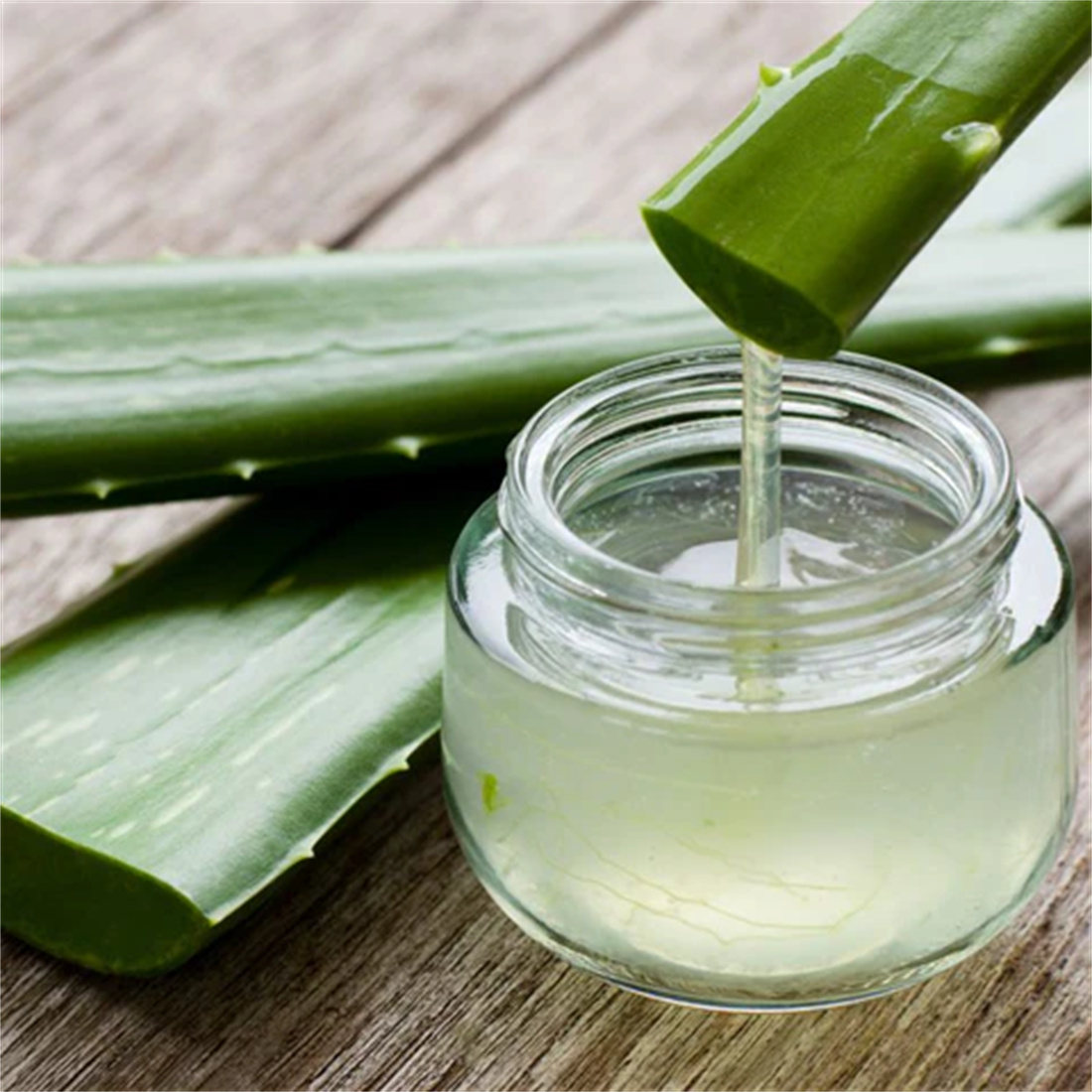
Aloe Vera Skincare

Medicinal Care: Wisdom of Medicine-Food Homology

In traditional Chinese medicine theory, aloe vera is bitter in taste and cold in nature, mainly acting on the liver and large intestine meridians, with the core effects of clearing heat and moistening intestines. Modern medicine also confirms that its active ingredients have laxative, antibacterial and liver-protecting effects. It can effectively relieve heat-accumulated constipation (characterized by dry stool, bad breath, irritability) but is strictly forbidden for people with spleen-stomach deficiency and cold (prone to diarrhea, abdominal pain and fear of cold). For discomfort caused by liver fire hyperactivity, such as red and swollen eyes, headache and dizziness, aloe vera can play a soothing role under the guidance of traditional Chinese medicine practitioners. In addition, the aloe tincture in aloe can inhibit common pathogenic bacteria such as Staphylococcus aureus, and external application can assist in improving mild symptoms such as unruptured sores and folliculitis.

Ecological Protection: A Silent Guardian

Aloe vera is also a good helper for environmental protection. Its leaves can absorb harmful gases such as formaldehyde and benzene in the air—studies have shown that it can eliminate 90% of formaldehyde in 1 cubic meter of space under 24-hour lighting, making it an ideal choice for indoor greening. Moreover, aloe vera is drought-tolerant and barren-tolerant, which can well adapt to the coastal climate of Weihai. It does not require too much watering and fertilization during planting, and can beautify the living environment while purifying the air.

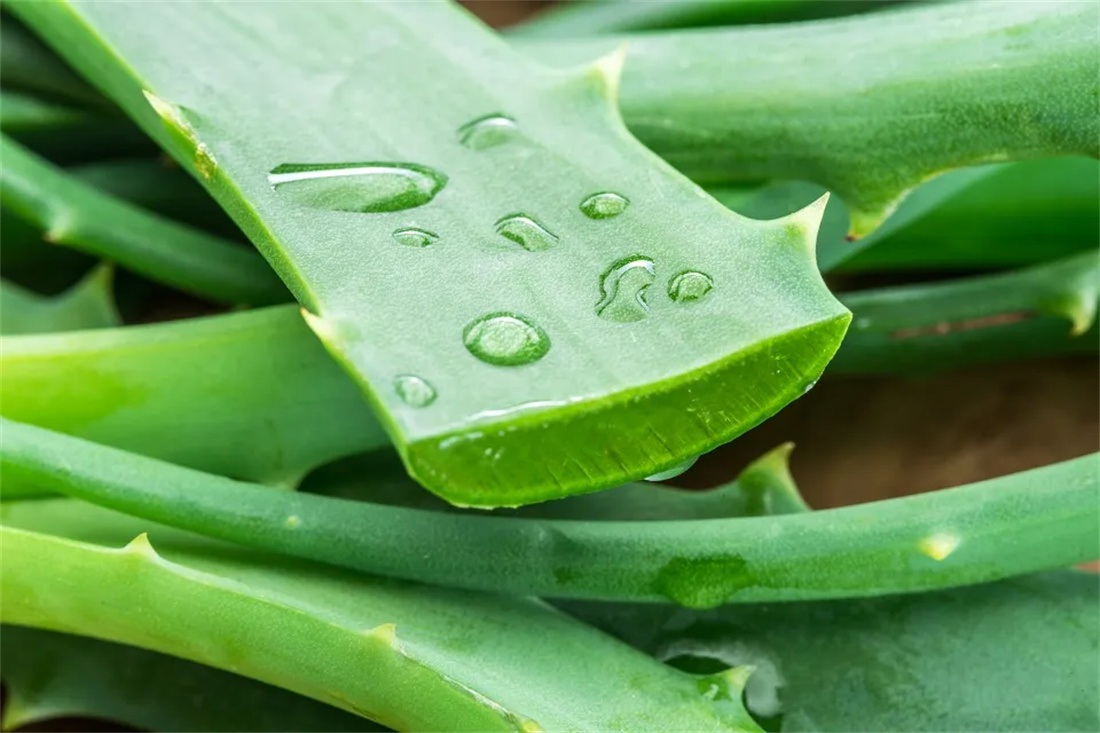
Aloe Vera Medicinal

Core Varieties

There are more than 200 species of aloe in the world, but only more than 10 of them are suitable for medicinal and edible use. Among them, Aloe barbadensis Miller and Weihai’s local aloe varieties are the most representative, each with distinct characteristics in morphology and efficacy.

Aloe barbadensis Miller

Native to northern Africa, Aloe barbadensis Miller has thick and succulent leaves with spiny teeth on the edges. Its gel content is as high as 90% of the leaf weight, and the content of active ingredients such as aloe polysaccharides and amino acids is far higher than that of ordinary varieties. It is a core raw material for the production of skincare products and health products. Its peeled gel can be eaten after simple processing, but the intake must be controlled (no more than 15 grams per day) to avoid diarrhea caused by excessive consumption.

Aloe Vera Varieties

Safe Usage Tips

• External use: The fresh epidermis of aloe contains aloe emodin, which may cause skin redness and itching, so it is necessary to peel off the epidermis before use; for sensitive skin, it is recommended to do a local skin test first to confirm no discomfort before formal use.

• Internal use: Only a few varieties such as Aloe barbadensis Miller and Aloe chinensis are suitable for internal use, and the daily intake should not exceed 15 grams. Pregnant women, infants and young children, and people with spleen-stomach deficiency and cold are strictly forbidden to take it.

• Distinguish varieties: For skincare, priority should be given to Aloe barbadensis Miller products; for medicinal use, it must be used under the guidance of professional physicians; ornamental aloe varieties (such as Aloe saponaria) are only for viewing and cannot be used for medicinal or edible purposes.

Aloe Vera Safe Usage

Weihai Local Aloe

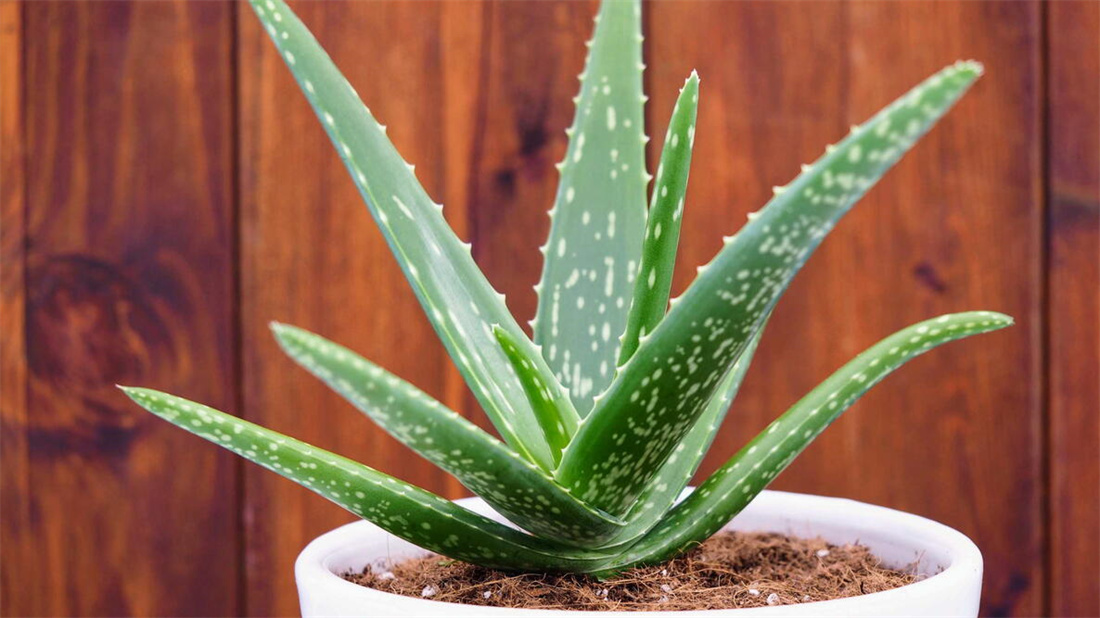
Weihai’s local aloe varieties are mainly domesticated Aloe barbadensis Miller and Aloe chinensis (also known as variegated aloe), both of which are well adapted to the local maritime climate. The domesticated Aloe barbadensis Miller has stronger cold resistance and salt-alkali resistance, and its soothing effect on skin damage is more excellent. Aloe chinensis is characterized by white spots on its leaves (which do not fade when mature), with prominent anti-inflammatory effects and edible tender leaves. At present, Weihai’s aloe planting mainly adopts the combination of greenhouse cultivation and open-field planting, which ensures the annual growth of aloe and forms a localized industrial chain of "planting-processing-sales".

In conclusion, aloe vera, with its rich active ingredients and diverse efficacies, has become an indispensable part of people’s daily life. The high-quality characteristics of Aloe barbadensis Miller and the regional advantages of Weihai’s local aloe varieties make this "natural treasure" better meet the needs of different groups of people. As long as we master the correct and safe usage methods, we can fully enjoy the benefits brought by aloe vera to our health and life.

  • None
  • The Natural Power of Turmeric and Lemon