

 EN
EN
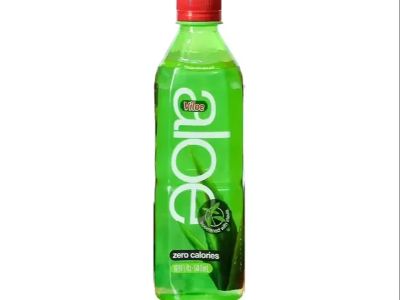
Aloe vera drinks have gained popularity in global beverage markets due to their health benefits and natural appeal. Manufacturers play a crucial role in supporting the logistics and compliance of these products within the global beverage supply chain. Understanding how pure aloe vera drink manufacturers contribute to this network can help B2B buyers make informed sourcing decisions. This article will address key specifications, supplier evaluation, cost factors, and market applications surrounding aloe vera drinks, ensuring that purchasing managers, distributors, and product managers are well-equipped to navigate their sourcing needs.
Key Specifications for Sourcing Aloe Vera Beverage Ingredients
When sourcing aloe vera beverage ingredients, buyers should focus on several key specifications to ensure product quality and suitability. One of the primary specifications is the aloe vera content; higher concentrations typically yield better health benefits. Buyers should confirm the aloe vera's source, as organic certifications can enhance product appeal and marketability.
Another crucial aspect to consider is the formulation. Manufacturers like Ningbo Enrich Life Biotech Co., Ltd. utilize preservative-free formulations that align with consumer preferences for clean-label products. Buyers should inquire about the stability and shelf life of the product, which are influenced by the preservation methods used.
Additionally, the manufacturing process plays a significant role in product quality. Understanding whether the production methods adhere to international food safety standards, such as HACCP or ISO certifications, can help buyers assess the reliability of their suppliers.
What to Look for in Aloe Vera Drinks?
Selecting the right aloe vera drink involves evaluating several factors. Firstly, buyers should consider the flavor profile and sweetness levels, as these can vary significantly between products. Natural sweeteners and flavoring agents often enhance the drink's appeal, but buyers should confirm that these additions align with their brand’s health-oriented positioning.
Another critical factor is the packaging. Aloe vera drinks should be packaged in materials that protect against light and oxygen exposure to maintain freshness and nutritional integrity. Buyers should also evaluate the packaging’s compatibility with their distribution channels, considering factors such as recyclability and shelf presence.
Buyers should also assess the nutritional content, including vitamins, minerals, and potential added benefits like probiotics or electrolytes. Products that provide clear nutritional labeling can facilitate consumer trust and compliance with regulatory standards.
Where to Find Reliable Suppliers of Aloe Vera Drinks?
Finding reliable suppliers of aloe vera drinks requires thorough research and evaluation. Trade shows and industry events can provide valuable networking opportunities, allowing buyers to meet potential suppliers and assess their offerings firsthand. Online platforms and directories focused on food and beverage sourcing can also be useful resources for identifying manufacturers.
When evaluating suppliers, it’s important to assess their manufacturing capabilities and quality control processes. Companies like Ningbo Enrich Life Biotech Co., Ltd. have established traceable quality systems that ensure product safety and consistency. Buyers should request documentation of certifications, quality audits, and product testing results to verify these claims.
Additionally, buyers should consider geographical factors. Suppliers located close to key markets may offer advantages in shipping times and costs, while those with international experience can better navigate export regulations and logistics.
Comparing Cost Factors for Aloe Vera Beverage Products
Cost is a significant consideration when sourcing aloe vera drinks. Buyers should be aware that various factors can influence pricing, including ingredient quality, manufacturing processes, and order volume. Higher-quality aloe vera extracts or organic certifications typically come at a premium but can enhance the product's marketability.
Minimum order quantities (MOQ) also impact cost considerations. Buyers should confirm the MOQ with potential suppliers, as larger orders may result in lower per-unit costs, but they must also ensure that these quantities align with their inventory and demand forecasts.
Transportation and logistics costs should also be factored in, particularly for international shipments. Buyers should inquire about delivery lead times and shipping methods, as these can affect overall costs and product freshness. Establishing a clear understanding of all cost components will facilitate accurate budgeting and purchasing decisions.
Applications of Aloe Vera Drinks in Diverse Beverage Markets
Aloe vera drinks find applications across a variety of beverage markets, including health and wellness, functional beverages, and even the food service industry. In the health and wellness sector, aloe vera juice natural properties appeal to consumers seeking hydration and digestive health benefits.
Functional beverage markets leverage aloe vera's versatility by combining it with other ingredients, such as fruit juices or herbal extracts, to create innovative products that meet consumer demands for health benefits and flavor variety.
In the food service industry, aloe vera drinks are increasingly featured in restaurants and cafes as refreshing options, often marketed for their natural ingredients and health benefits.
Understanding these applications can help buyers tailor their product offerings and marketing strategies to align with consumer trends and preferences. By working with manufacturers experienced in these markets, B2B buyers can better position their aloe vera drink products for success in the competitive beverage landscape.