

 EN
EN
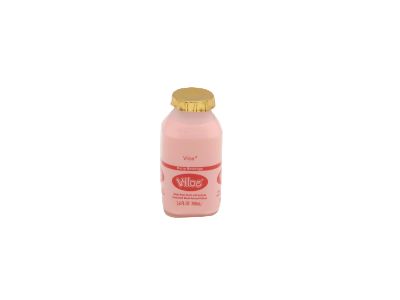
Understanding the significance of protein content metrics for milk-containing beverages is critical for manufacturers and distributors aiming to succeed in today's health-conscious market. As the demand for high-protein products grows, so do the complexities surrounding their formulation and production. This article will help you navigate essential considerations when evaluating protein content, sourcing high-quality beverages, making informed wholesale purchases, and understanding the cost factors involved.
What to Consider When Evaluating Protein Content in Beverages
When assessing protein content in milk beverage, several key factors come into play that significantly influence product quality and consumer satisfaction. First, the protein source whether dairy-based or plant-based affects not only the nutritional profile but also flavor, texture, and consumer perception. For instance, whey protein is favored for its high bioavailability, while casein provides a slower release of amino acids.
Additionally, consider the protein concentration. Beverages labeled as "high-protein" typically contain at least 20 grams of protein per serving, making them suitable for athletes and health-conscious consumers. Buyers should also evaluate the protein's functional properties, such as solubility and emulsification, which are crucial for achieving the desired texture and mouthfeel.
Another element to consider is the presence of other nutrients. For example, a balanced beverage may also contain carbohydrates, fats, vitamins, and minerals, which can affect the overall formulation. Understanding these metrics is essential for ensuring that the final product meets both regulatory standards and consumer expectations.
Key Specifications for Sourcing High-Protein Milk Beverages
When sourcing high-protein milk beverages, certain specifications are paramount. Start by confirming the protein content per serving, as mentioned earlier, but also look into the protein type and quality. A product may boast high protein levels, but if the protein isn’t of high quality or is poorly formulated, it may not deliver the expected benefits.
Another important specification is the ingredient list. Look for clean, preservative-free formulations that align with your brand’s values. This not only appeals to consumers but also supports compliance with various health guidelines.
Additionally, consider the packaging options. High-protein beverages often require packaging that maintains product stability and extends shelf life. This includes evaluating material barriers to oxygen and moisture, as these can significantly impact product quality.
Finally, assess the manufacturer’s quality control processes and certifications. A reputable supplier should provide documentation to ensure that their products meet industry standards for safety and quality, giving you confidence in your sourcing decisions.
Where to Find Reliable Suppliers for Milk-Based Protein Drinks
Finding reliable suppliers for milk based drink requires a strategic approach. Start by leveraging industry connections and attending relevant trade shows, where manufacturers showcase their products and capabilities. This is an excellent opportunity to network, gather samples, and ask questions directly to suppliers.
Online directories and B2B marketplaces can also be valuable resources. Look for suppliers with strong reputations, positive customer reviews, and transparency regarding their manufacturing processes. Websites that feature detailed product information, including ingredient sourcing and nutritional analysis, can help you gauge a supplier's credibility.
Engaging in industry forums and professional networks can provide insights into suppliers that others in the field trust. Additionally, consider reaching out to potential suppliers for references from existing customers. This can offer a clearer picture of their reliability, product consistency, and customer service levels.
Making Informed Wholesale Purchases
When making wholesale purchases of high-protein milk beverages, it’s essential to establish a clear understanding of your requirements and the supplier’s offerings. Start by preparing a detailed Request for Quotation (RFQ) that includes specifications such as desired protein content, flavor profiles, packaging preferences, and minimum order quantities (MOQ).
Discuss lead times and ensure you are clear about your delivery requirements. Timely delivery is critical, particularly for products that may have short shelf lives. Understand production capacity and the supplier's ability to scale up or down based on your needs.
Inspecting product samples is another crucial step before finalizing your order. Ensure that the samples align with your expectations in taste, texture, and nutritional metrics. Testing them in real-world conditions can provide valuable insights into how the beverages will perform in the market.
Additionally, maintain open communication with suppliers. Regular updates on production timelines and any potential issues can help mitigate risks associated with delays or quality discrepancies.
Understanding Cost Factors of High-Protein Milk Beverages
Several factors influence the pricing of high-protein fermented milk beverage, and understanding these can help you make more informed purchasing decisions. First, the choice of protein source significantly affects cost. Dairy protein sources, such as whey or casein, can be more expensive due to the quality and processing involved.
Packaging also plays a crucial role in pricing. Innovative packaging solutions that extend shelf life or enhance user experience can increase costs but may also provide added value. Buyers should evaluate whether the benefits of premium packaging align with consumer expectations and justify the price point.
Additionally, the scale of production impacts unit costs. Larger orders typically allow for economies of scale, reducing per-unit pricing. However, this requires careful forecasting to avoid overstocking and potential waste, particularly for perishable goods.
Lastly, consider logistics and shipping costs, especially if sourcing from international suppliers. Understanding these factors and incorporating them into your budget will help ensure a smooth purchasing process and optimize your overall cost management.
By considering these aspects and engaging with a reputable partner like Ningbo Enrich Life Biotech Co., Ltd., which specializes in high-quality, safe food products, you can navigate the complexities of sourcing high-protein milk beverages effectively.